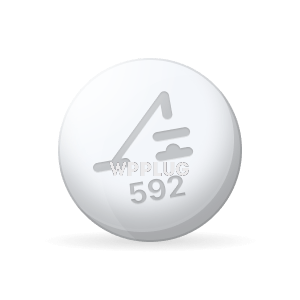
| Product dosage: 2mg | |||
|---|---|---|---|
| Package (num) | Per pill | Price | Buy |
| 30 | $2.94 | $88.15 (0%) | 🛒 Add to cart |
| 60 | $2.52 | $176.31 $151.26 (14%) | 🛒 Add to cart |
| 90 | $2.38
Best per pill | $264.46 $214.37 (19%) | 🛒 Add to cart |
Synonyms | |||
Similar products
More info:
tizanidine
Tizanidine hydrochloride is a centrally acting alpha-2 adrenergic agonist primarily indicated for the management of spasticity. It’s fascinating how this imidazoline derivative has become such a workhorse in our spasticity management toolkit, particularly given its complex pharmacokinetic profile. When I first started using it back in the late 90s, we were still figuring out the optimal dosing strategies - the short half-life really keeps you on your toes clinically. Tizanidine: Effective Muscle Spasticity Management - Evidence-Based Review 1.
baclofen
Baclofen represents one of those fascinating clinical tools that sits at the intersection of neurology, addiction medicine, and rehabilitation. As a GABA-B receptor agonist, it essentially mimics the brain’s primary inhibitory neurotransmitter, dialing down overactive neural pathways. We initially knew it for spasticity management in multiple sclerosis and spinal cord injuries, but its off-label applications have become arguably more significant in my practice. The journey with baclofen has been anything but linear.
flexeril
Flexeril, generically known as cyclobenzaprine, is a centrally-acting muscle relaxant structurally related to tricyclic antidepressants. It’s primarily indicated as an adjunct to rest and physical therapy for relief of muscle spasm associated with acute, painful musculoskeletal conditions. Unlike peripherally-acting agents, Flexeril works at the brainstem level rather than directly on skeletal muscle, which explains both its efficacy profile and side effect spectrum. We’ve been using it for decades, yet I still find residents surprised when I explain it’s not actually relaxing the muscle itself—it’s modulating the central nervous system’s response to spasm.
lioresal
Baclofen, marketed under the brand name Lioresal among others, is a medication primarily used to treat spasticity. It is a central nervous system (CNS) depressant and acts as a GABA agonist, specifically targeting GABA-B receptors. This agent is structurally related to gamma-aminobutyric acid (GABA), the main inhibitory neurotransmitter in the mammalian CNS. Lioresal is indicated for the management of spasticity resulting from multiple sclerosis, spinal cord injuries, and other spinal cord diseases.
Luvox: Effective Symptom Control for OCD and Anxiety Disorders - Evidence-Based Review
Fluvoxamine, marketed under the brand name Luvox among others, is a selective serotonin reuptake inhibitor (SSRI) primarily prescribed for obsessive-compulsive disorder (OCD) and off-label for various anxiety disorders. It works by increasing serotonin levels in the brain, which helps regulate mood and anxiety. Available in tablet and extended-release capsule forms, it’s a cornerstone in psychopharmacology for its efficacy and tolerability profile compared to older antidepressants. 1. Introduction: What is Luvox? Its Role in Modern Medicine Luvox, with the active ingredient fluvoxamine maleate, belongs to the selective serotonin reuptake inhibitor (SSRI) class of antidepressants.
noroxin
Norfloxacin is a synthetic broad-spectrum fluoroquinolone antibacterial agent for oral administration. It works by inhibiting bacterial DNA gyrase, an enzyme necessary for DNA replication, transcription, repair, and recombination. This monograph details its use primarily for treating complicated and uncomplicated urinary tract infections (UTIs), prostatitis, and certain sexually transmitted infections caused by susceptible strains of bacteria. 1. Introduction: What is Norfloxacin? Its Role in Modern Medicine Norfloxacin belongs to the fluoroquinolone class of antibiotics, developed to combat Gram-negative and some Gram-positive bacteria.
Robaxin: Effective Muscle Spasm Relief for Acute Musculoskeletal Conditions - Evidence-Based Review
Robaxin, known generically as methocarbamol, is a centrally-acting muscle relaxant that’s been in clinical use for decades. It’s not a dietary supplement but rather a prescription medication, which immediately changes the conversation about its appropriate use and safety profile. What’s fascinating about methocarbamol is how it occupies this interesting middle ground in musculoskeletal medicine - it’s not as sedating as some older muscle relaxants, yet it provides meaningful relief for acute musculoskeletal conditions without the addiction potential of controlled substances.
skelaxin
Skelaxin, known generically as metaxalone, is a centrally-acting skeletal muscle relaxant with a unique chemical structure and mechanism distinct from other drugs in its class. Unlike many muscle relaxants that work primarily through sedative effects, metaxalone appears to selectively depress polysynaptic reflexes in the spinal cord and brainstem without significantly affecting monosynaptic reflexes. This gives it a favorable side effect profile compared to older agents like cyclobenzaprine or carisoprodol, which often cause substantial drowsiness.
zanaflex
Tizanidine, marketed under the brand name Zanaflex, represents a centrally acting alpha-2 adrenergic receptor agonist primarily indicated for the management of spasticity. Unlike peripherally acting muscle relaxants, tizanidine exerts its effects at the spinal cord level, modulating neurotransmitter release to reduce excessive muscle tone without causing significant muscle weakness. This unique mechanism has positioned it as a valuable tool in neurological rehabilitation protocols. Zanaflex: Targeted Spasticity Management in Neurological Disorders - Evidence-Based Review