
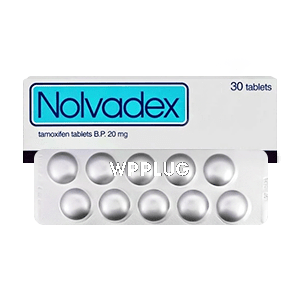
| Product dosage: 20mg | |||
|---|---|---|---|
| Package (num) | Per pill | Price | Buy |
| 60 | $0.72 | $43.05 (0%) | 🛒 Add to cart |
| 90 | $0.67 | $64.58 $60.08 (7%) | 🛒 Add to cart |
| 120 | $0.63 | $86.11 $76.10 (12%) | 🛒 Add to cart |
| 180 | $0.61 | $129.16 $109.14 (16%) | 🛒 Add to cart |
| 270 | $0.59 | $193.75 $159.20 (18%) | 🛒 Add to cart |
| 360 | $0.58
Best per pill | $258.33 $209.27 (19%) | 🛒 Add to cart |
Synonyms
| |||
Similar products
More info:
tamoxifen
Tamoxifen citrate represents one of the most significant advances in endocrine oncology over the past half-century. As a selective estrogen receptor modulator (SERM), this medication occupies a unique therapeutic niche—functioning as an antagonist in breast tissue while exhibiting agonist properties in other systems like bone and endometrium. The development journey wasn’t straightforward; our team initially struggled with the paradoxical effects across different tissue types, with some researchers arguing we should abandon the compound entirely when early models showed uterine stimulation.
Arimidex: Estrogen Suppression for Breast Cancer Treatment - Evidence-Based Review
Anastrozole, marketed under the brand name Arimidex, represents a cornerstone in the endocrine therapy arsenal for hormone receptor-positive breast cancer. This non-steroidal aromatase inhibitor fundamentally altered treatment paradigms when it gained FDA approval in the 1995, offering postmenopausal women with estrogen-sensitive tumors a potent alternative to tamoxifen with a potentially superior safety profile. The drug’s mechanism—essentially creating a pharmacological menopause by blocking peripheral aromatization of androgens to estrogens—has demonstrated significant survival benefits across multiple large-scale trials.
Aromasin: Estrogen Suppression for Breast Cancer Treatment - Evidence-Based Review
Aromasin, known generically as exemestane, is an oral steroidal aromatase inactivator used primarily in postmenopausal women with hormone receptor-positive early or advanced breast cancer. It’s not a dietary supplement but a prescription medication that works by permanently binding to the aromatase enzyme, blocking the conversion of androgens to estrogens throughout the body. This estrogen suppression makes it particularly valuable in oncology practice, especially for patients who’ve completed 2-3 years of tamoxifen therapy and need to complete their 5-year adjuvant hormonal treatment regimen.
bupron sr
Bupropion SR, or sustained-release bupropion, represents one of those rare psychopharmacological innovations that actually changed how we approach depression treatment in clinical practice. Unlike the flood of me-too SSRIs that dominated the 90s, bupropion SR brought something genuinely different to the table - a novel mechanism targeting norepinephrine and dopamine without the serotonergic activity that caused so many side effects for our patients. I remember when we first started using it at our clinic, we were frankly skeptical about yet another antidepressant claim, but the distinct profile quickly won over even our most conservative prescribers.
bupropion
Bupropion represents one of the more fascinating psychotropic agents in our modern arsenal—an atypical antidepressant that defies easy classification. Unlike the SSRIs that dominated the 1990s, bupropion operates through a completely different pathway, acting primarily as a norepinephrine-dopamine reuptake inhibitor (NDRI) with minimal serotonergic activity. This unique mechanism not only explains its distinct side effect profile but also its expanding off-label applications beyond major depressive disorder. I remember when we first started using it more regularly in our practice back in the early 2000s—we had this 42-year-old patient, Mark, who had failed two previous SSRI trials due to sexual side effects and weight gain.
clomid
Clomiphene citrate, commonly known by its brand name Clomid, represents one of the most foundational and extensively studied oral ovulation induction agents in reproductive medicine. As a selective estrogen receptor modulator (SERM), its primary mechanism involves blocking estrogen receptors in the hypothalamus, which tricks the body into perceiving low estrogen levels. This prompts increased gonadotropin-releasing hormone (GnRH) secretion, subsequently elevating follicle-stimulating hormone (FSH) and luteinizing hormone (LH) production from the pituitary gland.
Dutas: Effective BPH and Hair Loss Management - Evidence-Based Review
Dutasteride, marketed under the brand name Dutas among others, is a medication primarily used to treat symptoms of benign prostatic hyperplasia (BPH) in men with an enlarged prostate. It belongs to the 5-alpha-reductase inhibitor class of drugs, working by blocking the conversion of testosterone to dihydrotestosterone (DHT), a hormone that contributes to prostate growth. Dutas is also employed off-label for androgenetic alopecia (male pattern hair loss) due to its potent DHT-suppressing effects.
estrace
Estrace represents one of those foundational hormone therapies we’ve been using for decades, yet many clinicians still don’t fully appreciate its nuanced applications beyond basic menopausal symptom management. When I first encountered Estrace during my residency in the late 1990s, we primarily prescribed it for hot flashes and vaginal atrophy - straightforward cases that followed textbook protocols. But over twenty-plus years of endocrine practice, I’ve watched this medication evolve from a simple estrogen replacement to a sophisticated tool for managing complex hormonal imbalances across multiple body systems.
evista
Evista, known generically as raloxifene hydrochloride, is a selective estrogen receptor modulator (SERM) approved by the FDA for the prevention and treatment of osteoporosis in postmenopausal women and for reduction in risk of invasive breast cancer in this population. It represents a critical tool in managing bone health and oncologic risk, balancing estrogenic and anti-estrogenic effects in different tissues. Evista: Bone Protection and Breast Cancer Risk Reduction - Evidence-Based Review 1.