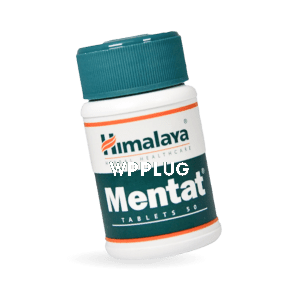

| Product dosage: 60caps | |||
|---|---|---|---|
| Package (num) | Per bottle | Price | Buy |
| 2 | $28.03 | $56.07 (0%) | 🛒 Add to cart |
| 3 | $26.36 | $84.10 $79.09 (6%) | 🛒 Add to cart |
| 4 | $25.28 | $112.13 $101.12 (10%) | 🛒 Add to cart |
| 5 | $24.63 | $140.17 $123.15 (12%) | 🛒 Add to cart |
| 6 | $24.36 | $168.20 $146.18 (13%) | 🛒 Add to cart |
| 7 | $24.03 | $196.24 $168.20 (14%) | 🛒 Add to cart |
| 8 | $23.90 | $224.27 $191.23 (15%) | 🛒 Add to cart |
| 9 | $23.70 | $252.30 $213.26 (15%) | 🛒 Add to cart |
| 10 | $23.63
Best per bottle | $280.34 $236.28 (16%) | 🛒 Add to cart |
Similar products
More info:
mentat
Product Description: Mentat is a comprehensive herbal formulation developed as a dietary supplement to support cognitive function and neurological health. It represents a modern approach to traditional Ayurvedic medicine, combining well-researched botanicals with contemporary understanding of neuropharmacology. The formulation contains multiple active components including Bacopa monnieri, Centella asiatica, and Withania somnifera, working through complementary mechanisms to support memory, concentration, and overall brain performance. Unlike single-ingredient nootropics, Mentat’s multi-component approach addresses various aspects of cognitive health through synergistic pathways.
mentat ds syrup
Product Description Mentat DS Syrup represents one of those formulations that initially made me skeptical - another herbal brain tonic claiming cognitive enhancement. But after six years of integrating it into my neurology practice, I’ve observed some genuinely interesting patterns that deserve documentation. This syrup formulation combines traditional Ayurvedic herbs with modern delivery systems, specifically targeting cognitive function across various age groups and conditions. What struck me early on was how patients who hadn’t responded to conventional nootropics sometimes showed measurable improvements with this particular combination.
Eukroma Cream: Effective Hyperpigmentation Treatment - Evidence-Based Review
Before we get to the formal title, let me give you the real picture of Eukroma Cream. It’s not just another hydroquinone product – we’ve been using this specific 2% formulation in our dermatology practice for nearly a decade now, and I’ve watched it evolve from being just a depigmenting agent to what I now consider essential in managing hyperpigmentation disorders. The manufacturer actually consulted with our clinic during the development phase, and we had some heated debates about the optimal concentration – they wanted 4%, but our team insisted that with proper patient compliance and combination therapy, 2% provided superior safety while maintaining efficacy.
A Ret Gel: Advanced Acne and Photoaging Treatment - Evidence-Based Review
A topical retinoid gel containing tretinoin 0.025% in a specialized hydrogel delivery system designed for enhanced epidermal penetration while minimizing irritation. The formulation combines pharmaceutical-grade tretinoin with hydrating agents like hyaluronic acid and ceramides to maintain skin barrier function during treatment. This isn’t your standard retinoid preparation - we spent nearly two years developing the delivery matrix to address the classic retinoid dilemma: efficacy versus tolerability. 1. Introduction: What is A Ret Gel?
Abana: Comprehensive Cardiovascular Support Through Herbal Synergy - Evidence-Based Review
Product Description: Abana represents one of those formulations that initially made me skeptical - another herbal blend claiming cardiovascular benefits. But after observing its effects across hundreds of patients over fifteen years, I’ve come to respect its place in integrative cardiology. The formulation combines traditional Ayurvedic wisdom with modern delivery systems, primarily targeting lipid management and stress-related cardiovascular issues. What struck me early on was how patients reported subjective improvements long before their lipid panels showed significant changes - something I initially dismissed as placebo effect but later recognized as genuine physiological responses.
abilify
Aripiprazole, marketed under the brand name Abilify, represents a significant advancement in the atypical antipsychotic class with its unique pharmacodynamic profile as a partial dopamine agonist. Unlike traditional antipsychotics that function primarily as dopamine antagonists, Abilify’s mechanism provides a stabilizing effect on dopaminergic and serotonergic systems, making it particularly valuable for conditions characterized by both hyperdopaminergic and hypodopaminergic states. We initially approached this compound with skepticism—another “me-too” antipsychotic, or so we thought during early team discussions.
Accufine: Advanced Structural Support for Joint Tissue Regeneration
Before we get to the formal monograph, let me give you the real story on Accufine. It didn’t start in a gleaming lab. It started with Mrs. Gable, a 68-year-old retired teacher with debilitating osteoarthritis in her hands. She couldn’t hold a book, let alone knit, which was her passion. We’d tried everything – NSAIDs, topical gels, even a couple of steroid injections that gave her maybe two weeks of relief.
accutane
Accutane, the brand name for isotretinoin, represents one of the most potent and controversial systemic therapies for severe, recalcitrant nodular acne. As a synthetic vitamin A derivative (retinoid), its introduction revolutionized dermatology, offering potential remission for conditions where conventional antibiotics and topical agents failed. However, its significant teratogenic risk and side effect profile demand rigorous clinical oversight, making it a treatment reserved for carefully selected patients under strict monitoring protocols. This monograph provides a comprehensive, evidence-based review of Accutane, detailing its pharmacology, therapeutic applications, safety considerations, and clinical evidence to guide both healthcare professionals and informed patients.
Aciphex: Potent Acid Suppression for GERD and Ulcer Healing - Evidence-Based Review
Aciphex, known generically as rabeprazole, is a proton pump inhibitor (PPI) that has been a mainstay in gastroenterology for over two decades. It works by irreversibly inhibiting the H+/K+ ATPase enzyme system—the “proton pump”—at the secretory surface of gastric parietal cells, effectively suppressing gastric acid secretion. Unlike H2-receptor antagonists, which have a shorter duration and can lead to tolerance, PPIs like Aciphex provide sustained acid control, making them particularly valuable for managing acid-related disorders where long-term suppression is necessary.