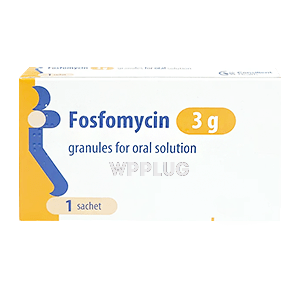
| Product dosage: 3g | |||
|---|---|---|---|
| Package (num) | Per sachet | Price | Buy |
| 1 | $42.05 | $42.05 (0%) | 🛒 Add to cart |
| 2 | $37.55 | $84.10 $75.09 (11%) | 🛒 Add to cart |
| 3 | $35.71 | $126.16 $107.13 (15%) | 🛒 Add to cart |
| 4 | $35.04 | $168.21 $140.17 (17%) | 🛒 Add to cart |
| 5 | $34.64 | $210.26 $173.21 (18%) | 🛒 Add to cart |
| 6 | $34.21 | $252.31 $205.25 (19%) | 🛒 Add to cart |
| 7 | $34.04 | $294.36 $238.30 (19%) | 🛒 Add to cart |
| 8 | $33.92 | $336.42 $271.34 (19%) | 🛒 Add to cart |
| 9 | $33.71 | $378.47 $303.38 (20%) | 🛒 Add to cart |
| 10 | $33.64
Best per sachet | $420.52 $336.42 (20%) | 🛒 Add to cart |
Synonyms | |||
More info:
fosfomycin
Fosfomycin, specifically fosfomycin tromethamine, is an oral antibiotic with a unique chemical structure and bactericidal mechanism. It’s classified as a broad-spectrum antibiotic, though its primary modern use is for uncomplicated urinary tract infections (UTIs). What makes fosfomycin fascinating is its synthetic origin—it’s derived from phosphonic acid compounds—and its ability to achieve high urinary concentrations after a single dose. We initially viewed it as a “niche” antibiotic, but with rising antimicrobial resistance, it’s become a first-line option in many guidelines.
Cefixime: Effective Bacterial Infection Treatment Across Multiple Indications - Evidence-Based Review
Cefixime is a third-generation oral cephalosporin antibiotic that’s been a workhorse in our infectious disease arsenal since the 1990s. What makes it particularly valuable in clinical practice is its broad-spectrum activity against Gram-negative bacteria while maintaining decent coverage against some Gram-positive organisms. Unlike earlier cephalosporins that required multiple daily dosing, cefixime’s extended half-life allows for once-daily administration, which significantly improves patient adherence - something we’ve all struggled with in outpatient settings.
Levoquin: Broad-Spectrum Antibiotic for Resistant Infections - Evidence-Based Review
Levoquin, known generically as levofloxacin, represents a significant advancement in the fluoroquinolone class of antibiotics, specifically engineered as the pure (-)-(S)-enantiomer of ofloxacin to enhance antimicrobial potency and reduce side effect profiles. In clinical practice, we’ve moved beyond older quinolones like ciprofloxacin for many indications due to Levoquin’s expanded Gram-positive coverage and reliable tissue penetration. I remember when it first hit our hospital formulary back in the late 90s - we were skeptical about another “me-too” antibiotic, but the pharmacokinetics genuinely stood out.
Nitrofurantoin: Targeted Urinary Tract Infection Treatment - Evidence-Based Review
Nitrofurantoin represents one of those fascinating antibiotics that somehow managed to stay clinically relevant despite being developed back in the 1950s. It’s specifically indicated for urinary tract infections, which is pretty remarkable when you consider how many newer antibiotics have come and gone. The drug belongs to the nitrofuran antimicrobial class and works through a unique mechanism that’s different from most other urinary antibacterials. What’s particularly interesting is how it achieves high concentrations specifically in the urinary tract while maintaining relatively low systemic levels - that’s part of why it remains a first-line option for uncomplicated UTIs in many guidelines.
noroxin
Norfloxacin is a synthetic broad-spectrum fluoroquinolone antibacterial agent for oral administration. It works by inhibiting bacterial DNA gyrase, an enzyme necessary for DNA replication, transcription, repair, and recombination. This monograph details its use primarily for treating complicated and uncomplicated urinary tract infections (UTIs), prostatitis, and certain sexually transmitted infections caused by susceptible strains of bacteria. 1. Introduction: What is Norfloxacin? Its Role in Modern Medicine Norfloxacin belongs to the fluoroquinolone class of antibiotics, developed to combat Gram-negative and some Gram-positive bacteria.
pyridium
Pyridium, known generically as phenazopyridine hydrochloride, is a urinary tract analgesic that provides rapid symptomatic relief from pain, burning, urgency, and frequency associated with cystitis, urethritis, and other urinary tract irritations. It’s a classic example of a drug that doesn’t treat the underlying infection but makes the unbearable symptoms tolerable while antimicrobial therapy takes effect. The distinct orange-red discoloration of urine is its most recognizable feature, something I always emphasize to patients to prevent unnecessary alarm.
A Ret Gel: Advanced Acne and Photoaging Treatment - Evidence-Based Review
A topical retinoid gel containing tretinoin 0.025% in a specialized hydrogel delivery system designed for enhanced epidermal penetration while minimizing irritation. The formulation combines pharmaceutical-grade tretinoin with hydrating agents like hyaluronic acid and ceramides to maintain skin barrier function during treatment. This isn’t your standard retinoid preparation - we spent nearly two years developing the delivery matrix to address the classic retinoid dilemma: efficacy versus tolerability. 1. Introduction: What is A Ret Gel?
Abana: Comprehensive Cardiovascular Support Through Herbal Synergy - Evidence-Based Review
Product Description: Abana represents one of those formulations that initially made me skeptical - another herbal blend claiming cardiovascular benefits. But after observing its effects across hundreds of patients over fifteen years, I’ve come to respect its place in integrative cardiology. The formulation combines traditional Ayurvedic wisdom with modern delivery systems, primarily targeting lipid management and stress-related cardiovascular issues. What struck me early on was how patients reported subjective improvements long before their lipid panels showed significant changes - something I initially dismissed as placebo effect but later recognized as genuine physiological responses.
Abhigra: Advanced Gut Barrier Support for Chronic Inflammatory Conditions - Evidence-Based Review
Before we dive into the formal monograph, let me give you the real story behind Abhigra. We spent three years developing this formulation after noticing something strange in our inflammatory bowel disease clinic – patients taking certain traditional preparations had significantly lower CRP levels than expected. The initial prototype failed miserably in our first pilot study – bioavailability was practically nonexistent. Our pharmacologist wanted to abandon the whole project, but our lead clinician insisted we try a different delivery system.