
| Product dosage: 250mg | |||
|---|---|---|---|
| Package (num) | Per pill | Price | Buy |
| 30 | $1.84 | $55.09 (0%) | 🛒 Add to cart |
| 60 | $1.45 | $110.19 $87.15 (21%) | 🛒 Add to cart |
| 90 | $1.32 | $165.28 $119.20 (28%) | 🛒 Add to cart |
| 120 | $1.25 | $220.38 $150.26 (32%) | 🛒 Add to cart |
| 180 | $1.18 | $330.56 $212.36 (36%) | 🛒 Add to cart |
| 270 | $1.14 | $495.84 $307.52 (38%) | 🛒 Add to cart |
| 360 | $1.12
Best per pill | $661.13 $402.69 (39%) | 🛒 Add to cart |
Synonyms
| |||
Similar products
More info:
Chloroquine: Established Antimalarial with Emerging Immunomodulatory Applications - Evidence-Based Review
Chloroquine is a 4-aminoquinoline compound that’s been kicking around medicine since the 1930s, originally derived from quinine. Most people know it as an antimalarial, but its immunomodulatory properties have created this fascinating dual identity in clinical practice. The white crystalline powder is poorly soluble in water but forms stable salts - the phosphate being what you’ll find in most pharmaceutical preparations. What’s interesting is how this simple molecule manages to interfere with so many cellular processes simultaneously.
Hydroxychloroquine: Immunomodulatory Therapy for Autoimmune Conditions - Evidence-Based Review
Hydroxychloroquine is a disease-modifying antirheumatic drug (DMARD) derived from chloroquine, primarily used for autoimmune conditions like rheumatoid arthritis and lupus. It’s also FDA-approved for malaria prophylaxis. The drug’s immunomodulatory effects stem from its ability to raise lysosomal pH and interfere with antigen presentation, though its exact mechanisms remain partially elusive. We’ve seen it work wonders in some patients while failing others - that unpredictability is what makes it both fascinating and clinically challenging.
arava
Arava is the brand name for leflunomide, a disease-modifying antirheumatic drug (DMARD) approved for treating rheumatoid arthritis. It’s not a dietary supplement or medical device but rather a prescription immunomodulatory agent with a unique mechanism of action targeting rapidly dividing cells like activated lymphocytes. We initially thought it was just another DMARD, but the pyrimidine synthesis inhibition creates a completely different therapeutic profile than methotrexate. Arava: Targeted Rheumatoid Arthritis Control Through Pyrimidine Inhibition - Evidence-Based Review 1.
Azulfidine: Targeted Anti-Inflammatory Therapy for Chronic Inflammatory Conditions - Evidence-Based Review
Product Description: Azulfidine, known generically as sulfasalazine, presents as a distinctive bright orange-yellow oral tablet with a characteristic bitter taste. It’s one of those legacy medications that still occupies an important place in our rheumatology and gastroenterology arsenals despite newer alternatives. The tablet formulation contains 500mg of the active compound, which undergoes complex metabolic conversion in the gut to release both anti-inflammatory and antibacterial components. What’s particularly interesting is how this drug’s mechanism wasn’t fully understood when it was first developed - Dr.
doxycycline
Doxycycline is a broad-spectrum tetracycline-class antibiotic derived from oxytetracycline, primarily used for bacterial infections ranging from respiratory tract infections to sexually transmitted diseases and parasitic infections like malaria prophylaxis. It’s available in oral formulations (tablets/capsules) and intravenous solutions, with its hydate and monohydrate salts being the most common pharmaceutical forms. What makes doxycycline particularly valuable in clinical practice is its unique pharmacokinetic profile – it’s well-absorbed even with food (unlike other tetracyclines) and has an extended half-life that allows for less frequent dosing.
Lariam: Effective Malaria Prophylaxis and Treatment - Evidence-Based Review
Lariam, known generically as mefloquine hydrochloride, represents one of the more controversial yet clinically significant antimalarial agents developed in the late 20th century. As a synthetic 4-quinolinemethanol derivative, it was originally synthesized by the Walter Reed Army Institute of Research during the 1970s and subsequently approved by the FDA in 1989. Unlike many medications that follow a straightforward path from development to widespread acceptance, Lariam’s journey has been marked by both remarkable efficacy data and significant safety concerns that continue to shape its clinical use today.
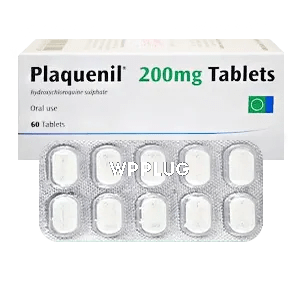
plaquenil
Plaquenil, the brand name for hydroxychloroquine sulfate, is an antimalarial and immunomodulatory agent that’s been part of the rheumatology and dermatology arsenal for over half a century. It’s fascinating how this derivative of quinine, originally developed to treat malaria, found its true calling in managing chronic autoimmune conditions. I remember first encountering it during my residency in the late 1990s - we had this elderly patient with debilitating rheumatoid arthritis who’d failed multiple DMARDs, but Plaquenil gave her back the ability to hold her grandchildren.
primaquine
Primaquine phosphate is an 8-aminoquinoline antimalarial medication with a unique therapeutic profile that’s been both a cornerstone and a conundrum in tropical medicine since the 1940s. Unlike most antimalarials that target the blood stage of Plasmodium parasites, primaquine’s singular value lies in its activity against dormant hypnozoites of P. vivax and P. ovale in the liver - the forms responsible for relapsing malaria. It’s also gametocytocidal, making it crucial for malaria transmission control.
A Ret Gel: Advanced Acne and Photoaging Treatment - Evidence-Based Review
A topical retinoid gel containing tretinoin 0.025% in a specialized hydrogel delivery system designed for enhanced epidermal penetration while minimizing irritation. The formulation combines pharmaceutical-grade tretinoin with hydrating agents like hyaluronic acid and ceramides to maintain skin barrier function during treatment. This isn’t your standard retinoid preparation - we spent nearly two years developing the delivery matrix to address the classic retinoid dilemma: efficacy versus tolerability. 1. Introduction: What is A Ret Gel?